

Free Shipping from €100

Enthalpy Heat Recovery Units

Forget dry skin and a scratchy throat during the heating season. An enthalpy heat recovery unit uses a special membrane to return not just heat, but also valuable moisture to your rooms, maintaining a perfect balance.

Enjoy fresh, naturally humid air without any extra humidifiers and protect your home interior from winter dryness.

How Does an Enthalpy Heat Recovery Unit Solve the Dry Air Problem?

The Discomfort of Winter Dryness at Home

When the heating season begins, many modern homes face the challenge of dry indoor air. Opening windows or using standard ventilation without moisture recovery introduces cold outdoor air, which naturally holds very little moisture. Once this air is heated to room temperature, the relative humidity drops drastically, often falling well below 30%.

Dry air directly affects your health and your home's interior. Morning dry eyes, a stuffy nose, and static hair become a frustrating daily reality for the whole family. Furthermore, prolonged dryness damages wooden floors and furniture, causing them to creak and develop permanent micro-cracks.

A New Standard of Comfort with Moisture Recovery

By installing an enthalpy heat recovery unit, winter dryness problems disappear effortlessly. This device preserves the natural moisture generated in your home (from cooking, washing, or even breathing) and returns it back to your living spaces. Your bedroom and living room constantly maintain an optimal 40-50% humidity balance, even during freezing weather.

You will no longer need to buy and maintain separate room humidifiers. Everything happens automatically within the ventilation unit itself, where air is refreshed and humidified right before entering your rooms. Naturally moist air ensures better sleep, protects your airways, and creates a perfect environment for your indoor plants.

Maintains up to 70% of indoor moisture - a special enthalpy membrane collects moisture from the exhaust air and transfers it to the fresh supply stream, preventing your home from drying out mid-winter.

How to Choose the Best Enthalpy Heat Recovery Unit?

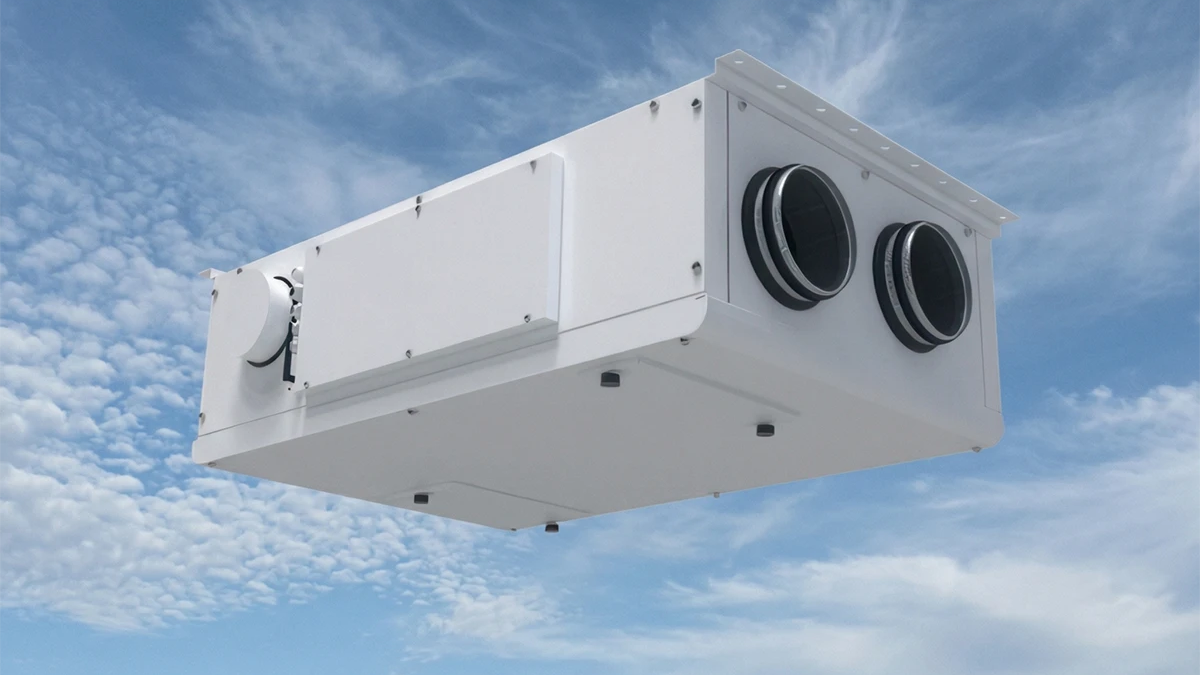
Choosing an enthalpy heat recovery unit directly determines your daily microclimate. Although externally these devices look identical to standard plate models, they hide completely different membrane technology inside. When selecting, pay attention to these key parameters:

  • Moisture Recovery Rate (%) - indicates what portion of moisture the unit can return. High-end models achieve 60-70% moisture recovery, ensuring that even during the deepest freezes, you will not need extra room humidifiers.
  • Heat Recovery Efficiency (%) - while enthalpy models focus on moisture, they also recover about 80-85% of heat. This guarantees low heating bills and warm supply air without the cost of additional electrical pre-heating.
  • Airflow Capacity (m3/h) - the unit must easily serve your home's square footage. For a 100-120 m2 home, a 250-350 m3/h capacity model is usually recommended so it operates extremely quietly in its daily mode.
  • Membrane Type and Washability - check if the selected model's enthalpy heat exchanger can be washed with water or only dry-cleaned. Washable membranes are more durable and require less caution during maintenance.

When to Choose Enthalpy vs. Rotary Models?

Both enthalpy and [rotary heat recovery units](/kategorijos/rekuperatoriai/rotaciniai) solve the dry air problem by returning moisture. However, an enthalpy model has no moving parts (no spinning drum), making it theoretically more reliable and ensuring absolute odor separation between exhaust and supply air. Rotary models are better suited for places where vertical installation space is extremely limited, as they are generally more compact.

Enthalpy Heat Recovery Unit Installation and Maintenance

Installation Considerations and Benefits

Installing an enthalpy unit is often more flexible than standard plate models. Because most of the moisture passes through the membrane rather than turning into water, condensation rarely forms, which often eliminates the need for complex drainage plumbing and makes ceiling or closet installations much easier.

  1. Choosing the Location - the unit is usually wall-mounted in a utility room or hidden in a ceiling void. Leave enough space at the front or bottom to comfortably slide out the heat exchanger for preventative cleaning.
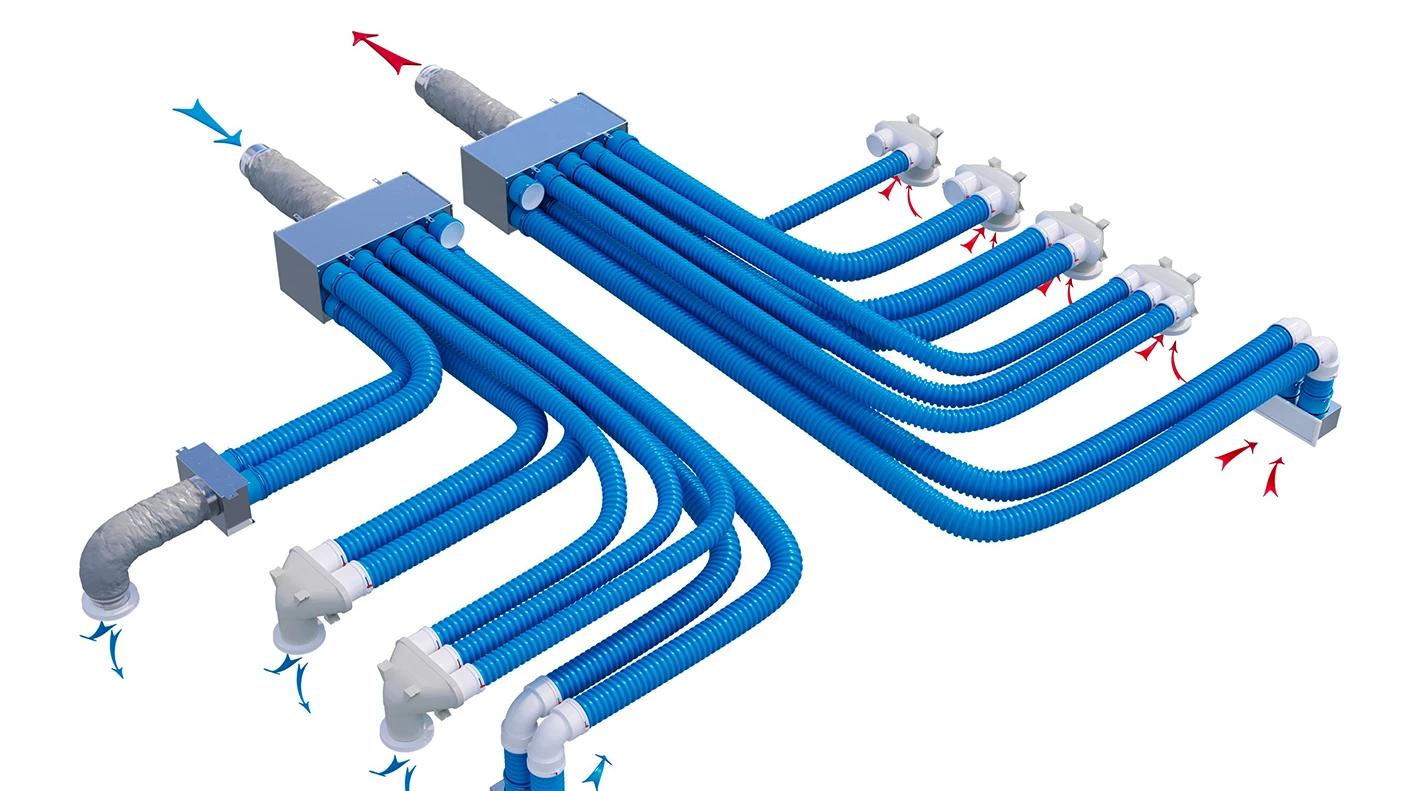
  2. [Ductwork](/kategorijos/ortakiu-sistemos) Connection - airtight ducts are routed to carry fresh air to bedrooms and extract stale air from bathrooms and kitchens.
  3. [Silencer](/kategorijos/ortakiu-sistemos/triuksmo-slopintuvai) Integration - it is essential to install sound attenuators on both supply and extract lines so the unit's fan operation never reaches living areas.
  4. System Commissioning - after installation, a technician calibrates the airflows, ensuring the system operates with perfect balance and creates no drafts in the rooms.

The Reality of Maintenance

An enthalpy system requires no special daily effort from your side. Your main job is to change the heat recovery filters on time, usually every 6 months, so the membrane does not get clogged with fine dust. The enthalpy heat exchanger itself should be carefully vacuumed or rinsed (if the manufacturer allows) once a year, ensuring flawless moisture exchange efficiency for many years to come.

Frequently Asked Questions

Often bought together with