
Connectors for Flexible Duct Systems

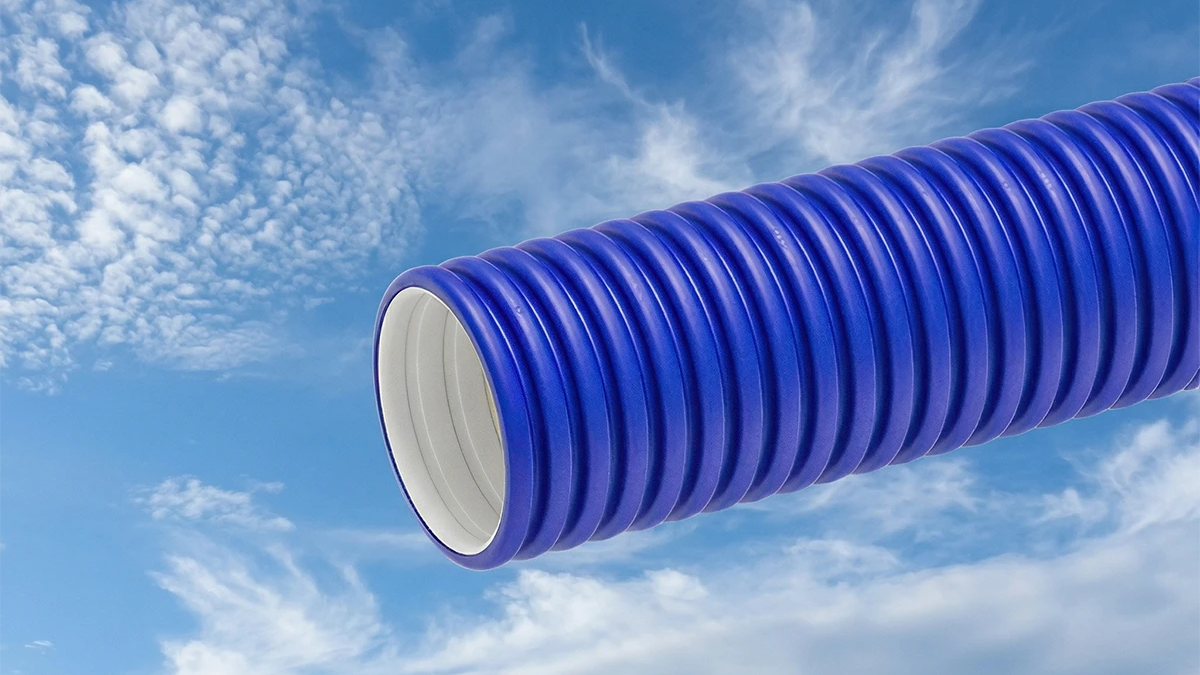
Ensure flawless airtightness in your ventilation system using specialized connectors for flexible ducts. This is a simple and reliable way to connect pipes when you run short of length or perform system repairs.
High-quality couplings prevent air leaks and guarantee efficient heat recovery operation without any pressure loss.
How one connector determines the success of the whole system
Hidden gaps and lost air
Many homeowners focus solely on the heat recovery unit's power, forgetting that quality air still has to travel a long way to reach the bedroom. If installers run out of flexible duct and connect pieces using DIY methods – duct tape or improperly sized pipes – a disaster is inevitable. After a few years, the adhesive dries out, the tape loosens, and expensive heated fresh air is blown into the empty void above your plasterboard ceilings.
This means continuous heat loss and higher energy bills. Pressure drops in the system, forcing the heat recovery unit's fans to work at increasingly higher speeds to compensate for the shortfall. As a result, you hear annoying fan noise at night, while your rooms still lack fresh air and accumulate humidity.
Airtight peace and maximum efficiency
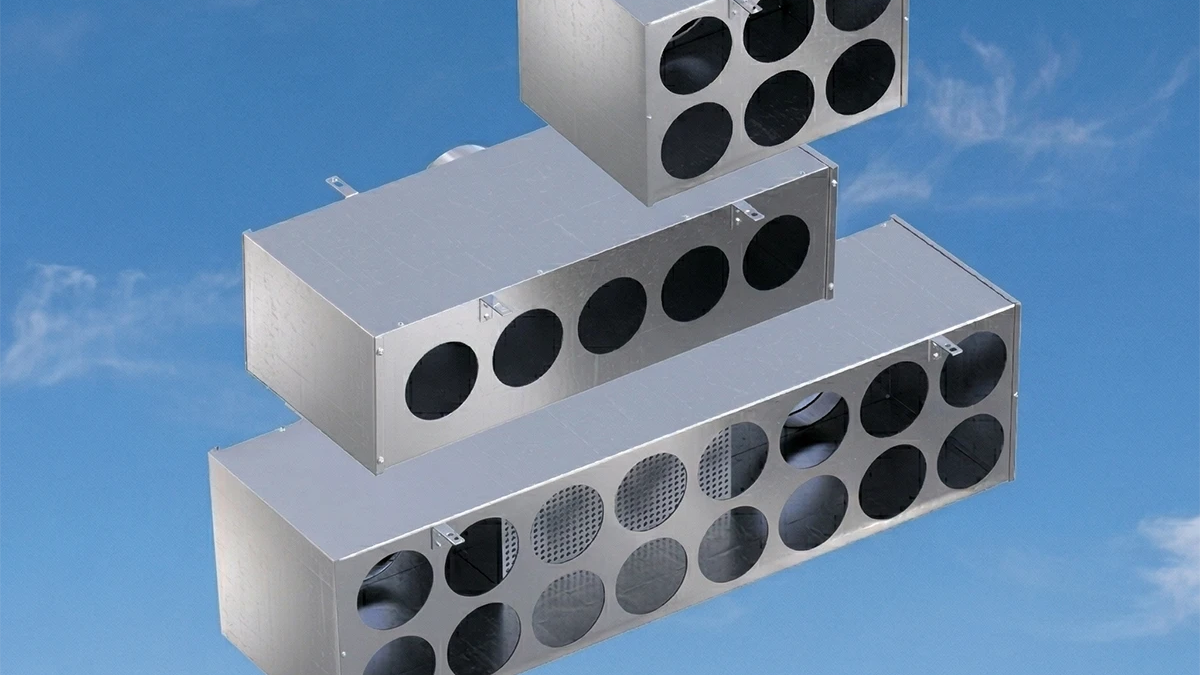
By using original flexible duct connectors, the system becomes a seamless, impermeable channel. A specialized coupling tightly and mechanically joins the two ends of the pipe. The air travels accurately, without turbulence or loss, reaching the plenum boxes and your living spaces.
Your home always maintains an optimal microclimate. A professional coupling paired with specific gaskets creates top-tier airtightness. The heat recovery unit operates at minimal RPMs, wasting no excess electricity and remaining completely silent in your daily life.
100% airtightness means zero air loss – the right connector ensures that your investment in ventilation pays off faster, keeping your indoor air perfectly fresh.
How to choose the right duct connectors?
Duct connections are not the place for compromises or improvisation. To ensure reliable and durable system operation, you must choose components that perfectly match your installed system. When selecting connectors, consider these essential parameters:
- Duct diameter (mm) - make sure the connector matches your pipe diameter exactly. A 75 mm flexible pipe requires exclusively a 75 mm coupling, and a 90 mm system needs a 90 mm coupling. Any looseness guarantees air leakage.
- Locking mechanism - the most modern connectors use special locking rings (the 'Click' system). These elements mechanically lock the duct's corrugation inside the coupling, preventing the pipe from slipping out even when pulled strongly or bent around corners.
- Material quality - high-quality couplings are made from impact-resistant plastic that possesses antistatic properties. This ensures that dust will not accumulate at the joint, preventing the formation of a breeding ground for bacteria.
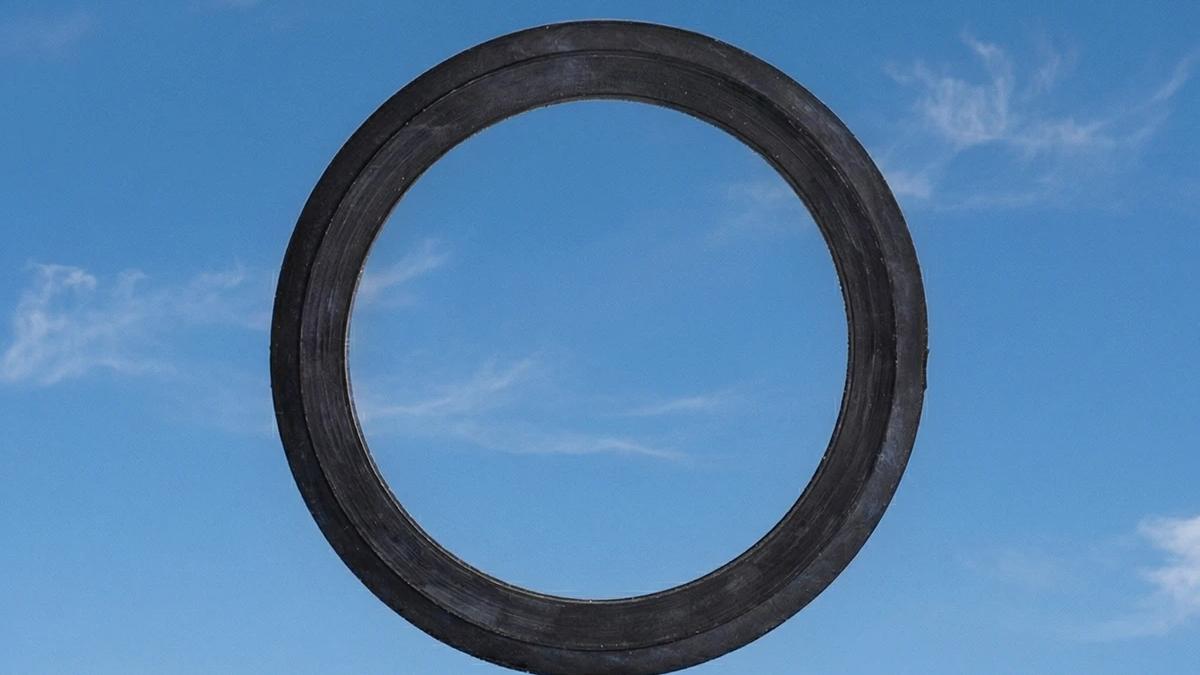
- Gasket kit inclusion - a reliable coupling is never used alone. It is always installed together with sealing details, so make sure you have enough rubber rings for every connection you plan to make.
The rule of system integrity
Ducts from different manufacturers may have microscopic millimeter differences. Although all 75 mm pipes look identical at first glance, the depth and spacing of the grooves can vary. Therefore, we always strongly recommend buying couplings from the exact same manufacturer that made your ducts and manifolds. This is the only way to guarantee a perfect seal.
The connection process and long-term reliability
Fast and reliable installation
Connecting two flexible ducts is extremely simple if you follow the correct sequence. The installation requires no special tools, adhesives, heating, or complex procedures that waste installers' time.
- A clean cut - the end of the duct must be cut perpendicularly and perfectly flush, cutting through the valley of the corrugation. Any sharp plastic edges must be carefully removed to avoid damaging the gasket.
- Placing the gasket - an elastic rubber sealing ring is slipped onto the end of the duct, usually sitting in the second or third groove from the cut (depending on the manufacturer's instructions).
- Inserting the joint - the duct with the mounted gasket is pushed firmly and straight into the plastic coupling until you feel physical resistance hitting the end.
- Locking it down - the joint is finally locked using special plastic fasteners (half-rings or clips). This guarantees the pipe will not pull out when dragging the lines through house structures.
A maintenance-free system
A correctly executed connection remains airtight for decades. Plastic connectors and couplings do not rust, rot, or lose their physical properties over the long term. Once the entire system is mounted behind ceilings or in floors and hidden by finishing work, these infrastructure nodes will require absolutely no attention from you. You can relax, enjoy the fresh air, and know that your home's "airways" are secure, uninterrupted, and highly efficient.


