
Manifolds for Flexible Duct Systems

The manifold is the heart of your ventilation system, evenly distributing fresh air to all the rooms in your home. It ensures a radial duct layout, meaning no sound is transmitted between rooms.
In our selection, you will find top-quality metal and innovative EPP distribution boxes that guarantee complete airtightness, excellent sound insulation, and easy installation.
REC LFT Air Distribution Collector€48.40-€83.30
REC FP Plastic Flange€2.20-€3.30
How a distribution box manages your home's climate
Uneven airflow and noise between rooms
Without proper air distribution, your HRV unit operates chaotically. Air, much like water, always looks for the path of least resistance. If a system lacks a central distribution node, the rooms closest to the unit feel a constant draft, while the furthest bedrooms still lack fresh air and accumulate carbon dioxide.
Traditional branch systems have another massive flaw – sound. If your bedroom and living room are connected by the same common metal pipe, the system acts like a telephone. You will hear perfectly what family members are saying in the next room, and the drone of the unit's fans will become a constant nighttime background noise.
Quiet and precise air division
The manifold acts as the heart of the ventilation system, dividing air equally. The large and fast airflow coming from the heat recovery unit enters a spacious box. Here, the air velocity drops drastically, the pressure equalizes, and the flow is evenly distributed into the smaller flexible ducts traveling to each room.
The radial routing system guarantees total acoustic privacy. Because a completely separate duct runs straight from the central manifold to each plenum box, sound has no direct path between rooms. The distribution box itself absorbs residual aerodynamic noise.
100% acoustic separation – a radial ventilation layout with a central manifold prevents sound transmission between rooms, ensuring peace and quiet in your home.
How to choose the right heat recovery manifold?
Choosing a distribution box is a technical decision depending on the size of the house. You will always need at least two manifolds: one for supply (fresh) air and one for extract (stale) air. When choosing, pay attention to these parameters:
- Number of ports (6, 8, 10, 15+) - calculated based on the home's needs. One 75 mm duct carries about 30 m3/h. If the whole house needs 300 m3/h of supply airflow, you will need a manifold with at least 10 ports for one line.
- Main connection diameter - the joint connecting the manifold to the HRV unit is usually 125 mm, 160 mm, or 200 mm. It must exactly match the diameter of the main pipes and your noise silencers.
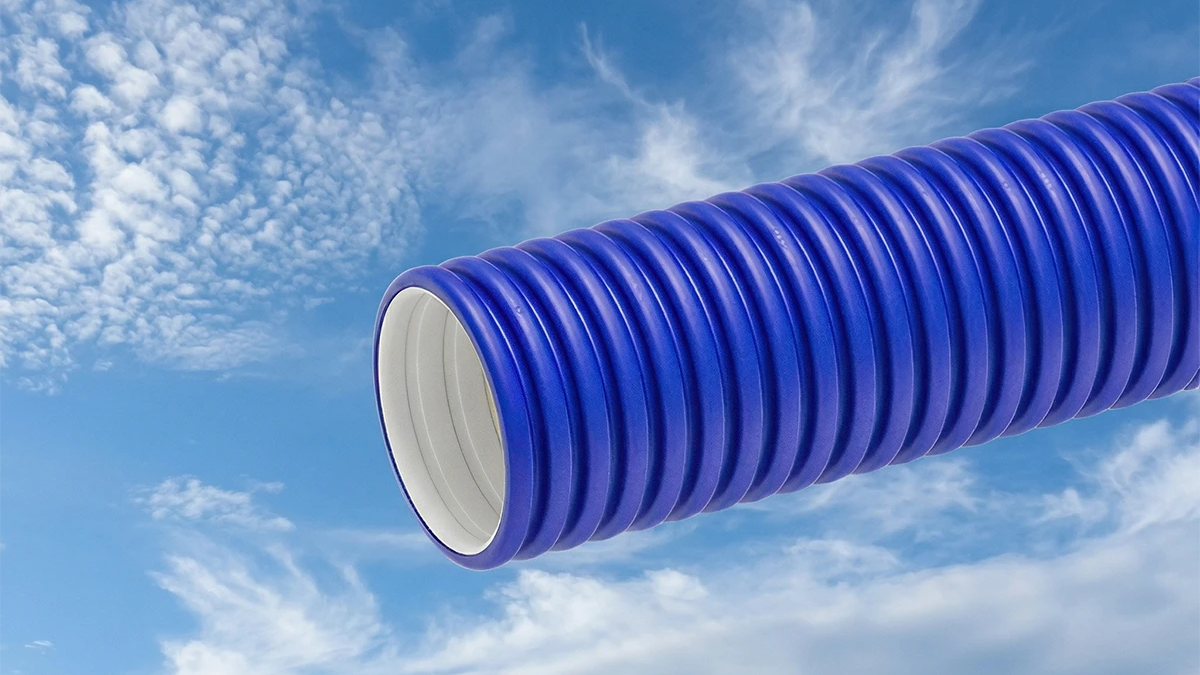
- Flexible duct compatibility - ensure the manifold ports (flanges) match the diameter of your chosen pipes (usually 75 mm or 90 mm). Using the wrong diameter means the system will not be airtight.
- Manufacturing material (Metal vs EPP) - metal manifolds with internal sound insulation are extremely sturdy and suitable for concrete slabs. Innovative EPP (expanded polypropylene) manifolds are exceptionally light, retain heat perfectly, and naturally absorb vibrations.
Planning for reserves
It is always recommended to choose a manifold with 1-2 extra ports. Unused openings are very easily and tightly closed with special blanking caps (plugs) from the fastening details assortment. This small reserve will give you invaluable flexibility if you need to bring additional airflow to a larger space during construction.
Manifold installation and maintenance
The correct installation process
The location of the manifolds determines the efficiency and material costs of the entire duct system. They are usually installed in utility rooms, attics, or wardrobes – trying to position them as close to the center of the house as possible so that the lengths of the flexible ducts to the rooms are as equal as possible.
- Securing to the structure - the distribution box is firmly screwed to the ceiling, wall, or floor. It is crucial to leave enough space for conveniently connecting and bending the flexible ducts from all sides.
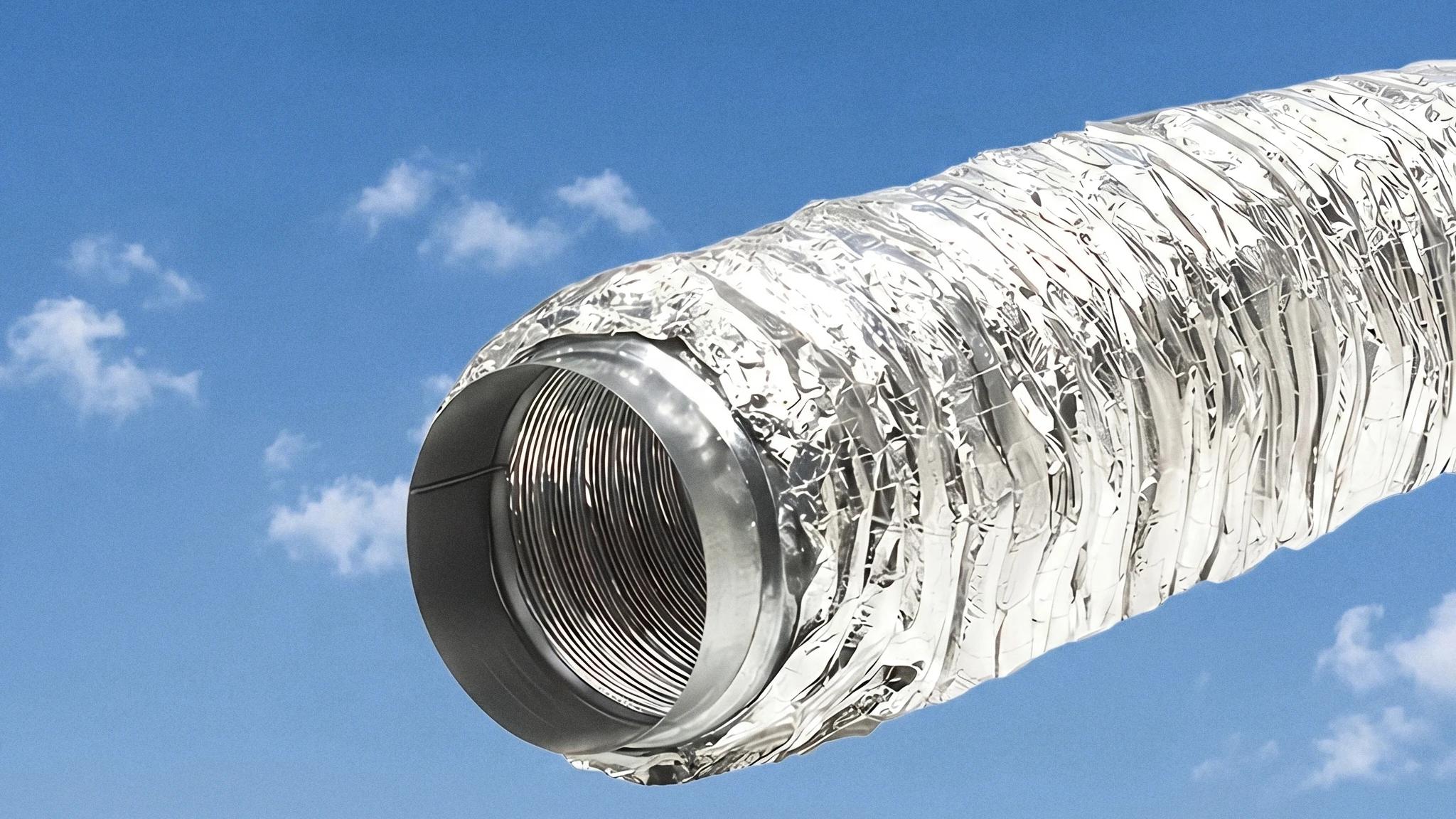
- Connecting the main line - a main noise silencer is always installed between the HRV unit and the manifold. This ensures that direct motor sound does not enter the distribution box and subsequently the rooms.
- Fixing the ducts - flexible ducts with rubber sealing rings are pushed into the manifold ports and secured with special plastic clips (the 'Click' system). This guarantees top-tier airtightness.
- System balancing - after installation, excess airflow in certain branches can be further regulated by inserting special flow restrictors inside the manifold itself or by adjusting the room diffusers.
Carefree longevity
Distribution boxes are passive ventilation elements that require no regular maintenance. Dust and mold will not accumulate inside them if you change your heat recovery filters regularly and on time. A high-quality, tightly installed manifold is a solid guarantee that your home's respiratory system will operate smoothly, quietly, and without heat loss for decades.


