


Flexible Ducts

Flexible plastic ducts are the main bloodstream of modern heat recovery systems, providing quiet and fast fresh air delivery. Thanks to the antistatic and antibacterial inner layer, your home's air will always remain pure.
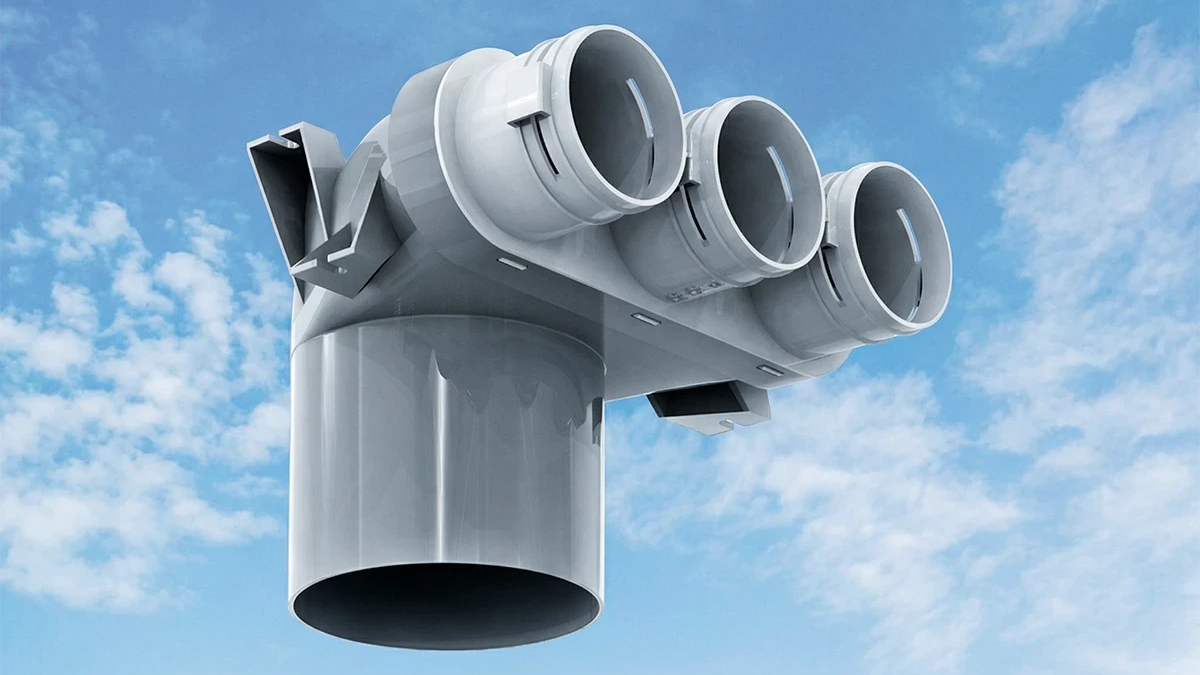
The 75 mm or 90 mm diameter pipes hide complex engineering in the smallest spaces, allowing you to create a perfect climate without lowered ceilings or visible compromises.
How flexible ducts transform your ventilation experience
Dust accumulation and difficult installation work
Every homeowner wants to breathe perfectly clean air, but poorly chosen ventilation pipes can quickly become an invisible problem. If standard, untreated plastic or rough corrugated pipes without special coatings are used for heat recovery, fine dust begins to accumulate inside them over time. In the presence of natural humidity and warmth, these deposits become an ideal breeding ground for bacteria and mold, which are then quietly spread throughout all your rooms.
Installing traditional systems also requires painful compromises. Thick metal pipes take up a lot of space, require numerous angular joints, and force you to lower beautiful home ceilings by at least 15–20 centimeters. Furthermore, every elbow in a rigid duct creates air resistance and additional aerodynamic noise that disturbs your family's sleep at night.
Pure air and completely invisible integration
Modern flexible ducts solve these problems instantly and permanently. Their interior is coated with a special, ultra-smooth, antistatic, and antibacterial layer. This technology literally repels dust particles and prevents dirt from sticking to the walls. The air in your home remains maximally hygienic even after a decade of use, and you forget what stuffy, allergy-inducing mornings feel like.
Due to their exceptional flexibility and small diameter, these pipes are easily hidden under minimally lowered plasterboard ceilings or even routed within floor concrete. The system requires no angular fittings or elbows, so the air flows smoothly without creating resistance. You enjoy fresh air and complete peace.
Antistatic and antibacterial coating ensures 100% hygiene – the inner layer of the duct repels dust and prevents bacterial growth, so the system remains clean for years without any special cleaning.
How to choose the right flexible ducts for your home?
Although many plastic corrugated pipes look similar on the outside, their true quality and longevity are determined by their internal properties and material strength. When choosing ducts for your planned flexible duct system, you must evaluate these technical parameters that will determine your daily comfort:
- Duct diameter (75 mm or 90 mm) - 75 mm pipes are the most popular and versatile choice, transmitting up to 30 m3/h of air per branch. 90 mm ducts are used for very spacious rooms when a higher flow (up to 45 m3/h) is needed, thus avoiding the necessity to run multiple double lines into a single room.
- Inner coating - be sure to look for ducts with certified antibacterial and antistatic coating. Visually, this layer usually stands out with a different color (such as green or blue). This is a crucial hygiene indicator, guaranteeing that your heat recovery unit will deliver truly pure and healthy air.
- Ring (corrugation) strength - high-quality flexible pipes have a strong corrugated structure on the outside that withstands high compressive loads. Because of this feature, they can be safely embedded in concrete slabs – they do not flatten under the weight of building materials and do not lose internal throughput.
- Aerodynamic smoothness - the smoother the inner plastic layer, the lower the pressure drop throughout the ventilation system. This allows your heat recovery unit's motors to work more quietly and use significantly less electricity every day.
Precise airflow planning
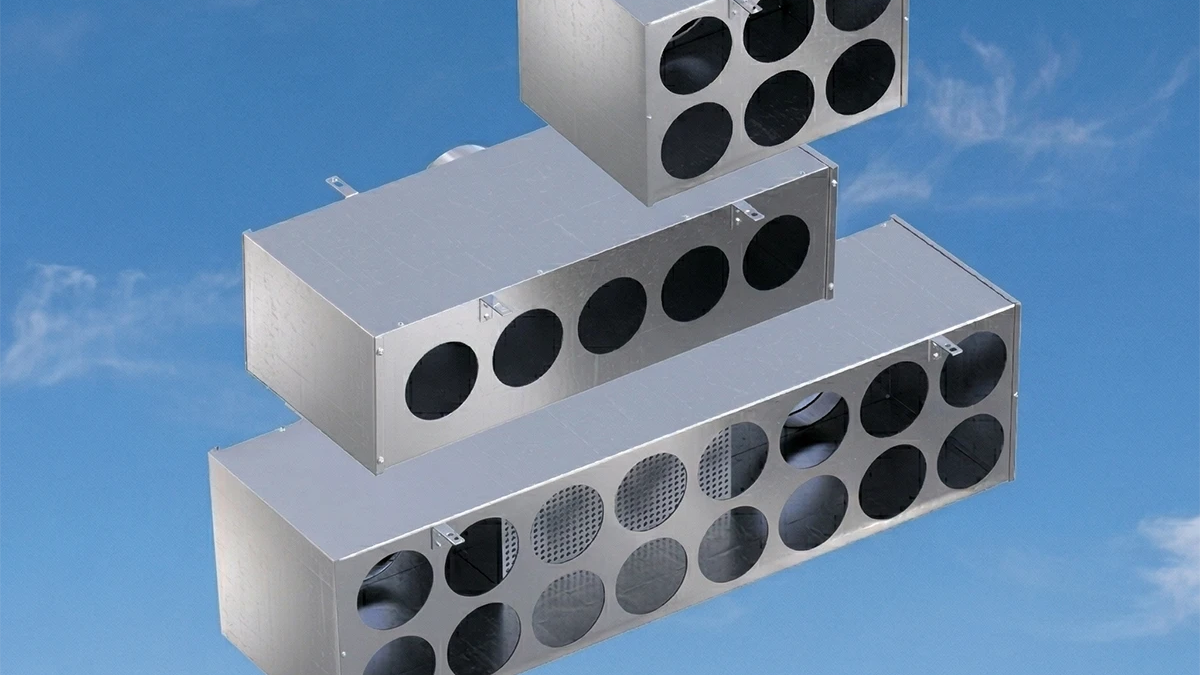
When planning a ventilation system, it is vital not to exceed the recommended air velocities in the ducts. If a room needs a flow of 60 m3/h (for example, a large living room with high ceilings), it is always better and quieter to run two 75 mm ducts into one plenum box than to try to "squeeze" the entire air volume through one pipe at high pressure. This way you will avoid any whistling and ensure a quiet environment.
Flexible duct installation and long-term value
The correct installation process
Due to their flexible and durable structure, laying these ducts is one of the fastest and smoothest construction stages. They do not require complex special tools or welding, but basic rules must be followed to ensure the system is 100% airtight and quiet.
- Route planning - ducts from the manifolds to the room boxes are routed as straight as possible. The recommended maximum length for a single line is 12-15 meters to prevent significant pressure drop.
- Bending radius - although the ducts are flexible, they must absolutely not be broken at a right angle or kinked. Follow the manufacturer's specified minimum bending radius (usually around 150 mm) so as not to reduce the internal cross-section.
- Cutting - ducts are cut perpendicularly, flush through the valley of the corrugation. Sharp plastic splinters are removed so they do not later damage sensitive sealing components.
- Sealing and locking - using fastening and sealing details, a rubber gasket is placed on the duct, and the pipe is firmly pushed into the box or coupling until it clicks ('Click' system).
Maintenance and long-term value without extra worries
Once installed, the flexible duct system becomes an invisible part of the house and requires none of your time. Since the inside of the pipes is antistatic, dust simply does not stick there. To ensure maximum cleanliness for decades, all you need to do is regularly and timely change the heat recovery filters. These filters trap outdoor pollution before it enters the duct network. A flexible duct system is a one-time, smart investment in your home's infrastructure that returns daily through excellent well-being, comfort, and health.


