


Free Shipping from €100

Plenum Boxes for Flexible Duct Systems

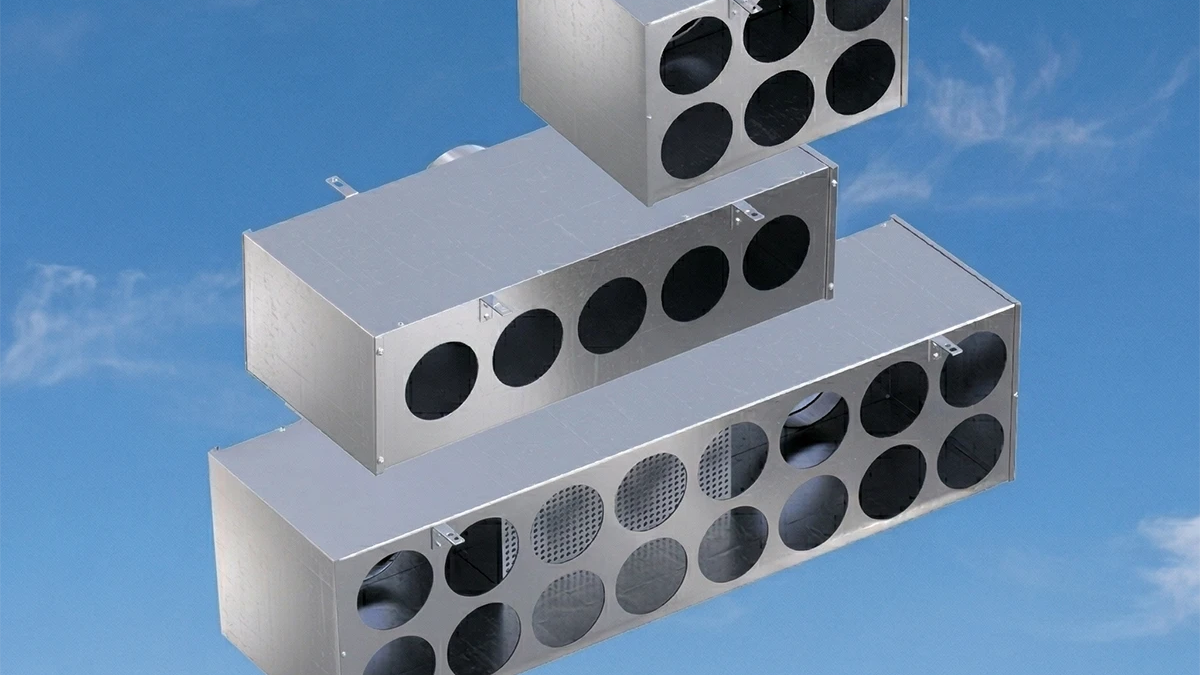
Plenum boxes are the essential link between hidden flexible ducts and visible room diffusers. They ensure even, quiet air distribution into your rooms without creating drafts.

High-quality boxes guarantee complete airtightness and allow you to elegantly integrate your ventilation system into ceilings, walls, or floors.

How plenum boxes determine your ventilation comfort

Noise and drafts – the result of poor distribution

The efficiency of a ventilation system depends on its last meter. Often, homeowners invest in expensive heat recovery units, but forget that air must enter the room evenly. If ducts are connected directly and unprofessionally to the grilles, you will hear whistling in the room, and feel an unpleasant draft when sitting under the diffuser.

Improperly chosen connections also cause aesthetic problems. Poorly secured branches in plasterboard ceilings eventually loosen, and dark dust streaks appear around the diffusers due to air leakage. This means ruined interior design and extra costs for cosmetic repairs.

An invisible but essential element of comfort

Plenum boxes solve all airflow distribution problems. Installed above ceilings or under floors, they act as air dampening chambers. Air blowing at high speed from the flexible duct enters the spacious box, slows down, and is released into the room in a pleasant, even flow.

High-quality boxes make ventilation completely unnoticeable. They are firmly fixed to the slab, so decorative diffusers always remain perfectly flush with the ceiling. You enjoy fresh air and complete silence, even when the system is operating at maximum capacity.

A properly selected plenum box reduces air velocity before the room, helping you avoid aerodynamic noise and drafts, while keeping your home interior flawless.

How to choose the right plenum boxes?

Choosing boxes depends directly on your home's design. Although all boxes perform the same function, their capacities, shapes, and applications for specific home zones vary. When choosing, pay attention to these key parameters:

  • Number of connections (1x75, 2x75, 3x75) - determines how much air you can deliver to a room. Small bedrooms or bathrooms only need one connection (up to 30 m3/h). Spacious living rooms will require boxes that connect to 2 or even 3 ducts to ensure a 60-90 m3/h flow.
  • Diffuser neck diameter (mm) - standard sizes are 100 mm, 125 mm, and 160 mm. The most popular choice in residential homes is 125 mm, as this size offers the largest assortment of decorative diffusers.
  • Box length (neck height) - an especially important parameter when planning dropped ceilings. Boxes with longer necks are chosen when plasterboard is mounted lower than the slab, and the excess length is simply cut off.
  • Material (plastic vs metal) - plastic (ABS, polycarbonate) boxes are lightweight and feature antistatic properties. Metal boxes, coated with zinc, stand out for their extreme rigidity and strength, making them ideal for more complex installation conditions.

Compatibility with diffusers

Before buying boxes, consider your finishing solutions. If you plan to use modern plaster-in diffusers or linear slot grilles, make sure the necks of your chosen boxes exactly match the diffuser installation requirements. It is always recommended to buy the entire flexible duct system from one reliable manufacturer.

Installation and system longevity

Box installation steps

Correct installation ensures system airtightness. Even the best heat recovery unit will lose efficiency if the boxes are installed poorly. The installation process is clear and logical:

  1. Securing the box - the box is firmly screwed to the concrete slab, wooden joists, or wall. It is important to level it and fix it so it will not move after plasterboard installation.
  2. Connecting the ducts - a rubber gasket from the fastening details kit is placed onto the flexible duct, the duct is pushed into the box branch, and secured with a locking ring. This creates a fully airtight (Class C) connection.
  3. Protection during construction - the open neck of the box is covered with a special blanking cap (plug) to prevent construction dust from entering the system until the decorative diffusers are installed.
  4. Trimming the neck - after installing the plasterboard, the protruding plastic or metal neck of the box is cut flush with the ceiling surface, preparing the space for the final finish.

Long-term value with no extra maintenance

Once installed correctly, the box will last as long as the building itself. These elements require no special maintenance. The only job you will have to do in the long run is occasionally wipe the dust off the visible room diffusers. By investing in high-quality plenum boxes, you secure stable airflow, preserve interior beauty, and enjoy maximum acoustic comfort every single day.

Frequently Asked Questions

Often bought together with